
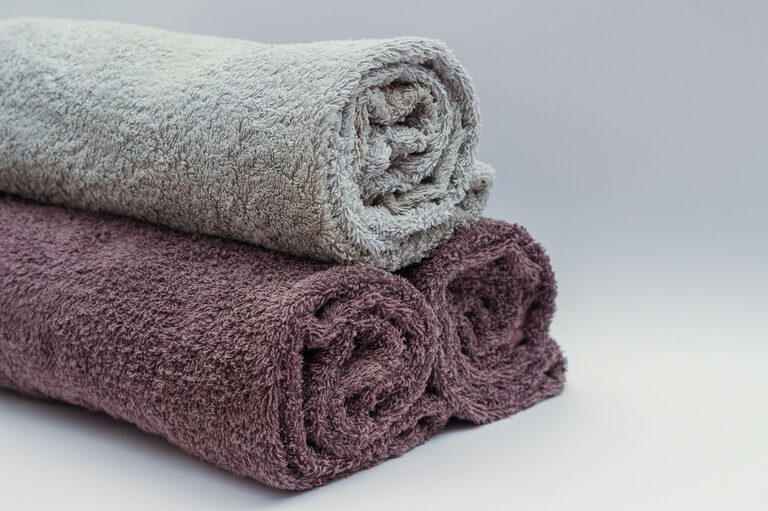
Towels are an essential part of our daily routine, used for drying off after a shower, cleaning up spills, or even as a cozy wrap on chilly mornings. But over time, towels can lose their softness and freshness, becoming stiff, rough, or even musty. Keeping your towels fluffy and fresh not only improves comfort but also extends their life.
In this post, we’ll explore practical tips and habits you can adopt to maintain your towels in the best condition possible.
Why Do Towels Lose Their Softness?
Before diving into solutions, it helps to understand why towels might become rough or lose their fluffiness:
– Residue build-up: Detergents, fabric softeners, and minerals from hard water can leave residues that make towels stiff.
– Improper drying: Not drying towels fully or leaving them in a damp pile can cause mildew and odors.
– Overwashing or high heat: Too frequent washing or using too hot water and dryers can damage fibers.
– Using fabric softeners: While they smell nice, fabric softeners can coat towel fibers, reducing absorbency and softness.
Knowing these causes can guide you toward better towel care.
Choosing the Right Towels
Starting with good-quality towels makes all the difference. Look for:
– Material: 100% cotton towels are popular for their softness and absorbency. Egyptian or Turkish cotton towels are especially fluffy but may be pricier.
– Weight: Towels are measured in grams per square meter (GSM). Towels between 400 and 600 GSM strike a good balance between softness and durability.
– Weave: Terry cloth towels with loops trap water better and feel plush.
Investing in quality towels sets the stage for longer-lasting fluffiness.
Washing Towels Properly
1. Use the Right Amount of Detergent
Using too much detergent can leave residue on towels, making them stiff. Use only the recommended amount or even less for small loads. If you notice buildup, try a detergent designed for soft fabrics.
2. Avoid Fabric Softeners and Dryer Sheets
Though tempting for fresh scent and softness, fabric softeners coat fibers, reducing absorbency and fluffiness. Instead, try natural alternatives like white vinegar (added during the rinse cycle) to soften towels and remove detergent residue.
3. Wash Towels Separately
Washing towels separately prevents lint transfer and allows them to move freely, getting cleaner and fluffier.
4. Use Warm or Hot Water
Warm water helps remove oils and dirt effectively. However, regularly washing in hot water can wear out fibers faster, so alternate with warm water and follow care label instructions.
5. Add Baking Soda Occasionally
Adding half a cup of baking soda during washing can help remove odors and soften towels by balancing pH levels.
Drying Towels for Maximum Fluffiness
1. Shake Them Out Before Drying
After washing, give towels a good shake to fluff up the fibers before placing them in the dryer or hanging.
2. Use a Dryer with Dryer Balls
Tumble drying with wool or rubber dryer balls helps separate towel fibers, increasing airflow and softness.
3. Avoid Over-Drying
Drying towels too long can break down fibers and cause stiffness. Remove towels while still slightly damp and let air dry to finish if possible.
4. Line Dry Wisely
If air drying, hang towels spread out to allow air circulation. Avoid folding or bunching them on the line, which can cause stiffness and mildew.
Storing Towels Correctly
– Ensure towels are completely dry before folding and storing to prevent odors or mildew.
– Fold towels loosely to allow airflow.
– Store in a cool, dry place away from humidity.
– Consider adding moisture absorbers like silica gel packets in linen closets in damp climates.
Refreshing Towels Between Washes
Sometimes you want fresh towels but don’t want to wash them every day. Here’s how to keep them pleasant between uses:
– Hang towels spread out after use to dry completely.
– Use a fabric refresher spray or a light spritz of diluted vinegar-water solution.
– Shake towels out before using.
– Avoid stacking damp towels.
Additional Tips for Long-Lasting Towels
– Replace old towels: Towels worn thin or with fraying edges won’t regain fluffiness.
– Rotate towels: Use different sets regularly to reduce wear.
– Use gentle cycles: Heavy agitation can damage fibers.
– Ironing towels is not recommended as it crushes loops and reduces softness.
Summary
Keeping your towels fresh and fluffy is all about good habits in washing, drying, and storage. Use the right detergent, avoid fabric softeners, dry them properly, and invest in quality towels. With these practical tips, you’ll enjoy soft, absorbent towels every day that feel as good as new.
By taking a little time to care for your towels, you can make a simple everyday item more comfortable and long-lasting. Happy drying!