
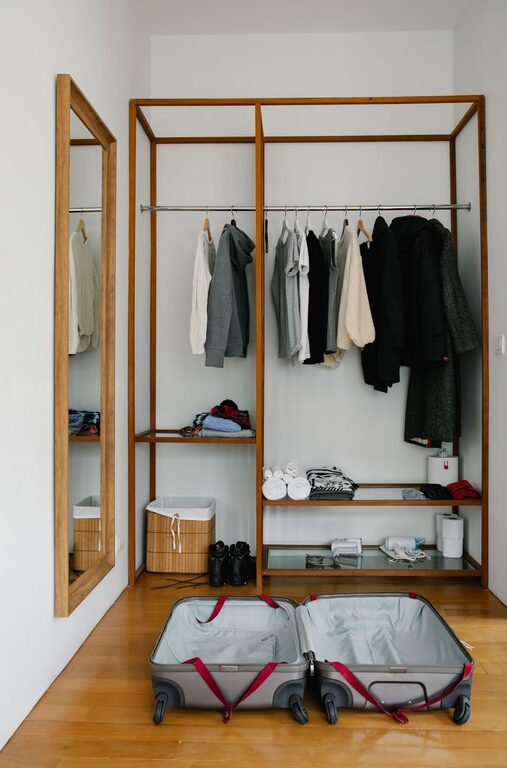
Storing seasonal clothes efficiently can make a significant difference in managing your closet space and keeping your wardrobe in good condition. Whether it’s bulky winter coats or delicate summer dresses, proper storage methods help preserve your clothes and make it easier to find what you need when the seasons change. This guide will walk you through practical tips and strategies to store your seasonal clothing effectively.
Why Store Seasonal Clothes Properly?
Proper storage protects your clothes from damage caused by dust, moisture, pests, and wrinkles. It also helps maximize space, reducing clutter in your everyday wardrobe. When clothes are stored correctly, they stay fresh and maintain their shape and quality, ready to wear when the season returns.
Preparing Clothes for Storage
Clean Everything Thoroughly
Before packing your seasonal clothes away, make sure they are clean. Dirt, oils, and stains can attract pests and set permanently if left untreated. Wash or dry clean clothes according to their care labels, and allow them to dry completely to prevent mildew.
Repair and Sort
Check for any damages such as loose buttons, missing zippers, or small tears. Repair these issues before storing. Then, sort clothes by type or frequency of use to make retrieval easier when the season changes.
Choosing the Right Storage Solutions
Use Breathable Containers
Plastic bins are popular, but they can trap moisture, leading to musty odors and mold growth. Instead, consider breathable fabric storage boxes or cotton bags that allow air circulation while protecting clothes from dust.
Vacuum-Sealed Bags for Bulky Items
For bulky items like winter coats or heavy sweaters, vacuum-sealed bags can save space by compressing the fabric. However, avoid storing delicate or natural fibers this way long-term, as compression can damage the fibers.
Label Everything Clearly
Label storage containers with their contents to avoid digging through boxes later. A simple label can save time and keep your storage area organized.
Storage Locations and Conditions
Choose a Cool, Dry Place
Avoid storing clothes in damp basements or areas with extreme temperature fluctuations. Ideal spots include closets, under-bed storage, or a designated storage room with good ventilation.
Avoid Direct Sunlight
Exposure to sunlight can fade fabrics and weaken fibers over time. Store clothes in dark or low-light areas to preserve colors and material quality.
Organizing Your Storage
Use Dividers and Shelf Organizers
Inside storage bins or drawers, dividers help separate different categories of clothes such as scarves, hats, or gloves. Shelf organizers enable you to stack folded items neatly, preventing wrinkles.
Hang vs. Fold
Bulky items like coats and jackets should be hung to maintain their shape. Use sturdy hangers and garment bags for protection. Lightweight clothes can be folded to save space.
Rotate Seasonally
When the new season arrives, rotate your storage system by bringing out the current season’s clothes and storing the off-season items away. This keeps your everyday wardrobe uncluttered.
Additional Tips for Protecting Your Clothes
Use Cedar or Lavender
Natural repellents like cedar blocks or lavender sachets help deter moths and pests without harsh chemicals. Replace them regularly to maintain their effectiveness.
Avoid Plastic Bags
While it might seem convenient, storing clothes in plastic dry-cleaning bags can trap moisture and cause yellowing. Opt for breathable fabric covers instead.
Air Out Stored Clothes Occasionally
If possible, take clothes out seasonally to air them. This helps prevent odors and allows you to inspect for any issues before re-storing.
—
Efficiently storing your seasonal clothes is all about preparation, choosing the right materials, and organizing thoughtfully. These simple tips will keep your clothes safe, fresh, and ready for the changing seasons while freeing up valuable closet space. With a bit of care and the right system, seasonal wardrobe management becomes a breeze.