
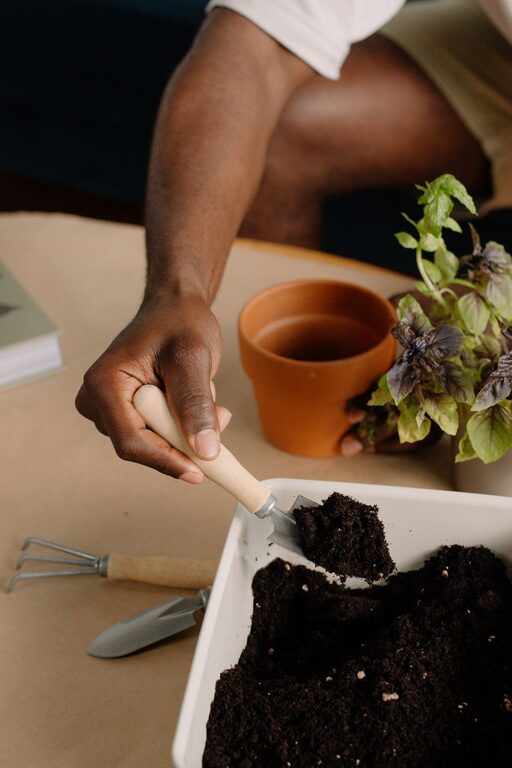
Starting a small herb garden indoors is a rewarding and practical way to enjoy fresh flavors in your cooking while adding a touch of greenery to your living space. Whether you have a sunny windowsill, a balcony, or just a small corner in your kitchen, growing herbs indoors is easier than you might think. This guide will walk you through the essentials of creating and maintaining a thriving indoor herb garden.
Why Grow Herbs Indoors?
Growing herbs indoors allows you to have fresh ingredients at your fingertips all year long, regardless of the outdoor weather. Indoor herb gardening can improve your cooking, boost your home’s ambiance, and even offer mild air-purifying benefits. Plus, it’s a fun way to connect with nature, especially if outdoor gardening isn’t an option.
Choosing the Right Herbs for Indoor Gardening
Not all herbs thrive indoors, so it’s important to pick varieties suited for indoor environments. Here are some popular herbs that are beginner-friendly and grow well inside:
– Basil: Needs plenty of sunlight and warmth.
– Parsley: Prefers moderate light and regular watering.
– Chives: Adapt well indoors and need bright light.
– Mint: Grows vigorously but can be invasive if not contained.
– Thyme: Likes bright light and well-drained soil.
– Cilantro: Requires cooler temperatures and bright light.
– Oregano: Thrives in sunny spots and is drought-tolerant.
Essential Supplies for Your Indoor Herb Garden
Before planting, gather these basic supplies:
– Containers: Small pots or planters with drainage holes are best to avoid waterlogging.
– Potting Soil: Use a light, well-draining potting mix designed for indoor plants.
– Herb Seeds or Starter Plants: Choose high-quality seeds or young plants from a nursery.
– Watering Can or Spray Bottle: For gentle, controlled watering.
– Grow Light (Optional): If natural light is limited, a full-spectrum grow light can help herbs thrive.
– Labels: To keep track of your different herbs.
Step-by-Step Guide to Starting Your Indoor Herb Garden
1. Select Your Location
Find a spot in your home that receives at least 4-6 hours of sunlight daily, such as a south-facing windowsill. If natural light is scarce, consider using artificial grow lights placed 6-12 inches above the plants for 10-12 hours a day.
2. Prepare Your Containers
Fill containers with fresh potting soil. Avoid using garden soil as it may be too dense and could contain pests or diseases. Make sure each pot has drainage holes to prevent root rot.
3. Plant Seeds or Transplants
If starting from seeds, follow the instructions on the seed packet regarding planting depth and spacing. For transplants, gently loosen the roots and place them in the soil at the same depth as they were in their nursery pots. Water lightly after planting to settle the soil.
4. Water Properly
Herbs generally like moist but not soggy soil. Water when the top inch of soil feels dry to the touch. Avoid overwatering, which can cause root rot. A spray bottle can help provide gentle moisture, especially for delicate seedlings.
5. Provide Adequate Light
Ensure your herbs get enough light for photosynthesis. Inadequate light can result in leggy, weak plants. Rotate pots regularly to ensure even growth.
6. Fertilize Occasionally
Use a balanced, water-soluble fertilizer every 4-6 weeks during the growing season. Be careful not to over-fertilize, which can weaken flavor and growth.
Caring for Your Indoor Herb Garden
Pruning and Harvesting
Regular trimming encourages bushier growth. Harvest by snipping the stems just above a set of leaves. This will stimulate new growth and keep your plants healthy.
Monitoring for Pests
Indoor herb gardens can sometimes attract pests like aphids or spider mites. Check leaves regularly and remove any pests by wiping leaves with a damp cloth or using natural insecticidal soap if needed.
Managing Humidity and Airflow
Most herbs prefer moderate humidity and good air circulation. If your home is very dry, misting the plants occasionally or placing a tray of water nearby can help. Avoid overcrowding pots to ensure airflow.
Troubleshooting Common Problems
– Yellow Leaves: Often caused by overwatering or poor drainage.
– Leggy Growth: Usually a sign of insufficient light.
– Wilting Plants: Can be due to underwatering or root damage.
– Slow Growth: May be caused by nutrient deficiency or low light.
Tips for Success
– Start small and expand your garden as you gain confidence.
– Keep a gardening journal to track watering, light exposure, and growth.
– Experiment with different herbs to find which ones you enjoy and which grow best indoors.
– Use your herbs fresh or dry them for later use.
Conclusion
Starting a small herb garden indoors is a simple way to enhance your cooking and brighten your home. With the right selection of herbs, proper care, and a little patience, you can enjoy fresh flavors and the satisfaction of growing your own plants all year round. Remember, gardening is a learning process, so don’t be discouraged by setbacks—every gardener starts somewhere!
Happy gardening!