
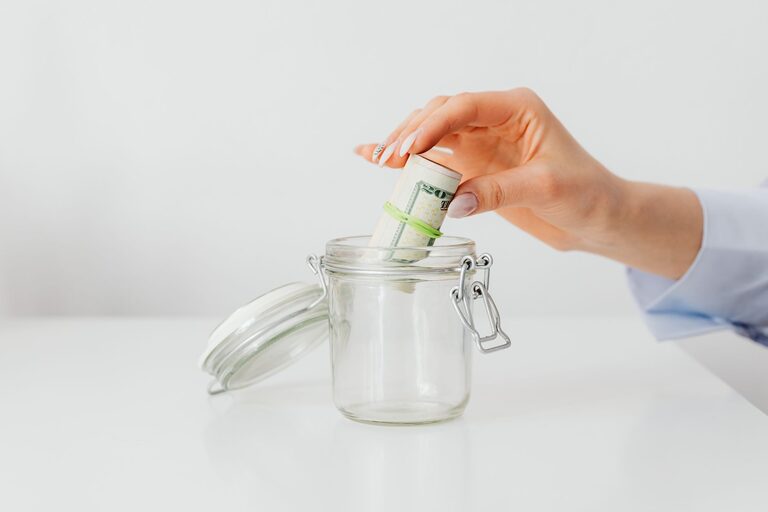
Managing your finances doesn’t have to be complicated or overwhelming. By developing simple budget habits, you can take control of your money and create a foundation for financial stability. Whether you’re new to budgeting or looking to improve your current habits, this guide offers straightforward tips you can apply in everyday life.
Why Simple Budget Habits Matter
Budgeting is more than just tracking expenses; it’s about understanding your money, setting priorities, and making informed choices. Simple budget habits help you:
– Avoid overspending
– Save money consistently
– Reduce financial stress
– Plan for future goals
When budgeting becomes part of your routine, managing your money feels less like a chore and more like a natural part of life.
Start with a Clear Picture of Your Finances
Before making any changes, it’s important to know where you stand financially.
Track Your Income and Expenses
– List all sources of income (salary, freelance work, side gigs).
– Keep records of your daily expenses for at least a couple of weeks.
– Include fixed costs like rent and subscriptions, as well as variable expenses like groceries and entertainment.
Using apps or a simple spreadsheet can make this process easier and give you a clear overview of your spending habits.
Create a Realistic Budget
A budget should reflect your actual lifestyle and goals, not just ideal numbers.
Use the 50/30/20 Rule
A common method to divide your income is:
– 50% for needs (housing, utilities, food)
– 30% for wants (dining out, hobbies, entertainment)
– 20% for savings and debt repayment
Adjust these percentages as needed to fit your situation. The key is to allocate money intentionally.
Set Spending Limits
Assign spending limits for each category. This helps prevent impulse purchases and encourages mindful spending.
Habit 1: Plan Your Spending Weekly
Instead of reacting to expenses as they come, try planning your spending ahead.
– Review your budget every week.
– Set a weekly spending allowance for discretionary items.
– Keep track of how much you have left to avoid overspending.
This approach keeps your budget manageable and flexible.
Habit 2: Use Cash for Discretionary Spending
Using cash for non-essential purchases can help you stay within budget.
– Withdraw a set amount based on your weekly spending plan.
– When the cash runs out, avoid extra spending until the next budget period.
This tangible method makes it easier to see how much you’re spending and can curb overspending.
Habit 3: Automate Your Savings
Automating savings takes the effort out of saving money.
– Set up automatic transfers from your checking account to a savings account.
– Schedule transfers to happen right after you get paid.
– Treat savings like a fixed expense you can’t skip.
Over time, these small, consistent deposits add up without you having to think about it.
Habit 4: Review and Adjust Monthly
Life changes, and so should your budget.
– At the end of each month, review your actual spending versus your budget.
– Identify areas where you overspent or saved more.
– Adjust your budget categories and limits based on your findings.
Regular reviews keep your budget relevant and realistic.
Habit 5: Cut Back on Small, Unnecessary Expenses
Small daily expenses can add up surprisingly fast.
– Make coffee at home instead of buying it out.
– Pack your lunch instead of eating out.
– Cancel unused subscriptions and memberships.
Redirect the money saved towards your goals or savings.
Habit 6: Set Financial Goals
Goals motivate and guide your budgeting efforts.
– Define short-term goals like paying off a credit card or saving for a vacation.
– Set long-term goals such as building an emergency fund or retirement savings.
– Break goals into manageable steps and track progress regularly.
Having clear targets helps you stay focused and disciplined.
Tools to Help with Budgeting
There are many tools to support simple budgeting habits.
– Budgeting apps like Mint, YNAB (You Need A Budget), or EveryDollar help track spending and create budgets.
– Spreadsheets offer customizable options if you prefer manual control.
– Envelopes or jars for cash budgeting provide a physical reminder of limits.
Find the method that fits your lifestyle and preferences.
Tips for Staying Consistent
– Keep your budget visible or accessible. Using sticky notes or phone widgets can help.
– Share your budget goals with a trusted friend or family member for accountability.
– Reward yourself occasionally when you reach milestones to maintain motivation.
– Be patient and forgiving with yourself as you build new habits.
Consistency over perfection is the key to success.
—
By incorporating these simple budget habits into your everyday life, you can improve your financial wellbeing step by step. Budgeting doesn’t have to be stressful or time-consuming; with the right approach, it becomes a practical and empowering tool. Start small, stay consistent, and watch your financial confidence grow.